
Small farms and country properties look peaceful from the road. Up close, they are a collection of chores waiting for a system. Tools wander, hoses kink, gates sag, weeds win, animals need routines, and small problems become weekend-eating projects if nobody checks them early.
Small farm habits make country living easier because they turn constant reaction into steady maintenance. You do not need to become a full homesteader overnight. Start with practical routines, learn from resources like USDA farmers.gov, and use local extension knowledge when the question depends on your region.
Walk the Property Daily
A ten-minute walk can catch problems before they become expensive. Look at gates, water, fences, garden beds, animal areas, drainage, and anything that looked questionable yesterday. The point is not to fix everything immediately. The point is to notice.
Daily awareness makes seasonal chores less overwhelming because fewer problems sneak up on you.
Give Every Tool a Home
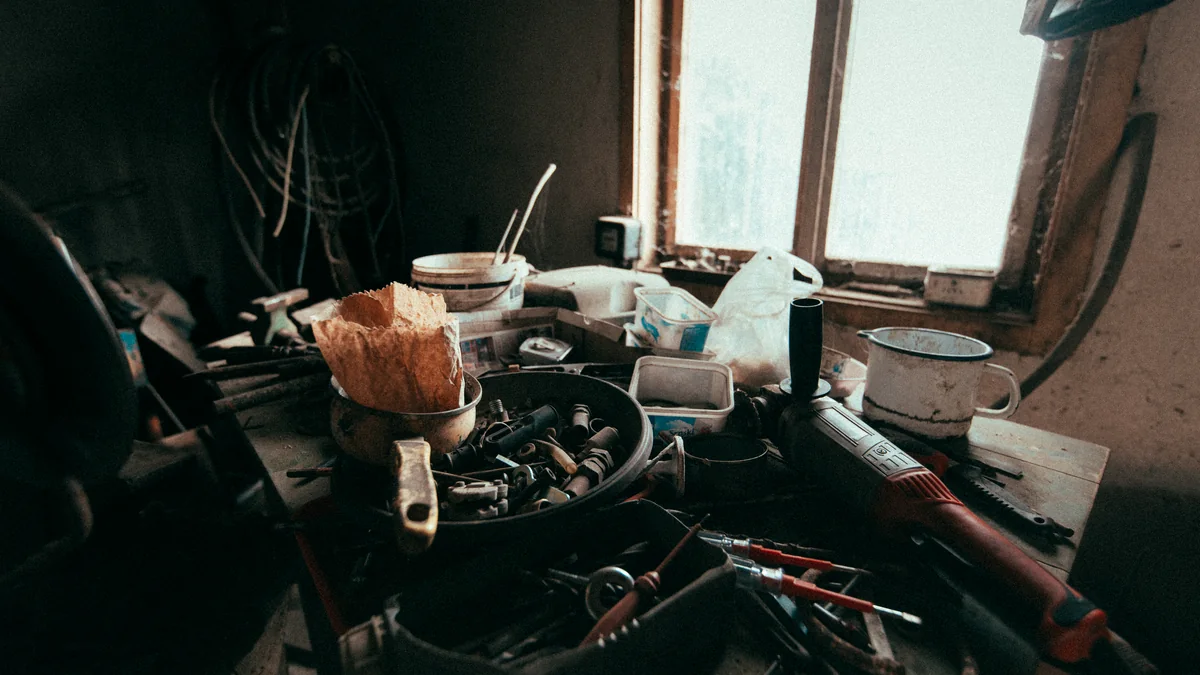
Country living gets harder when tools are scattered across sheds, porches, trucks, and garden beds. Choose simple storage zones: hand tools, fencing supplies, animal care, garden tools, fuel, and repair parts.
The system does not have to be fancy. A labeled shelf that everyone uses beats a beautiful shed where nothing returns to its place.
Respect Water Like a Chore
Water is one of the first things to check. Hoses, troughs, irrigation, drainage, and leaks all deserve attention. A small leak can waste money. A dry trough can become urgent. Poor drainage can damage roads, gardens, and foundations.
Make water part of the daily loop, especially during heat, freezes, or dry spells.
Plan Garden Work in Small Blocks
Beginners often make gardens too big. Start with what you can weed, water, harvest, and protect. A smaller garden that gets maintained teaches more than a huge one that becomes guilt by July.
Local extension resources through places like Extension Foundation can help you find region-appropriate growing advice.
Keep a Seasonal Repair List
Country properties have seasonal rhythms. Before winter, think water lines, fuel, shelter, and access. Before spring, think drainage, tools, seeds, and fencing. Before summer, think shade, pests, and mowing.
A written list helps you stop relying on memory. It also makes supply runs more efficient.
Do Not Buy Every Tool Immediately
Tools are useful, but buying too many too early creates clutter and maintenance. Borrow, rent, or buy used when you are still learning what your property actually requires.
Spend on the tools you use constantly. Wait on the tools that sound impressive but solve a problem you do not have yet.
Small Farm Routine Checklist
- Walk the property daily.
- Store tools by task, not randomly.
- Check water before it becomes urgent.
- Keep gardens small enough to maintain.
- Use local extension advice for regional questions.
Country Living Gets Easier With Rhythm
Small farm habits are about rhythm. Check the property, store tools well, respect water, and build slowly enough that country living stays useful instead of overwhelming.
Keep a Weather Notebook
Weather drives rural work. A simple notebook or phone note about frost, heavy rain, dry spells, pest problems, and planting dates can help you make better decisions next season.
Memory gets fuzzy. Records make patterns visible, especially when you are learning a property.
Create a Fix-It Bin
A small bin with fence clips, gloves, zip ties, hose washers, tape, marker flags, spare screws, and basic hand tools can save repeated trips back to the shed. Keep it practical and restock it when supplies run low.
The goal is not to carry the whole workshop. It is to handle small problems while you are already standing in front of them.
Respect the Gate Rule
On a rural property, gates matter. Close them, latch them, and teach guests to do the same. A casual gate mistake can turn into loose animals, damaged gardens, or a long afternoon you did not plan.
Good habits around gates, water, and tools are what make a property feel manageable instead of constantly one step from chaos.
Small Systems Beat Big Intentions
Country living rewards people who build small systems. A gate habit, a tool bin, a daily walk, a water check, and a seasonal list may not sound impressive, but they prevent the kind of problems that eat entire weekends. Big intentions are nice. Small systems are what keep the place running when the weather changes or life gets busy.
Walk the Property With a Purpose
A daily or weekly property walk should have a purpose: fences, water, gates, drainage, feed storage, tools, weeds, and signs of pests. You are not looking for perfection. You are looking for small problems while they are still small.
The habit becomes faster with practice. You learn what normal looks like, which makes unusual changes easier to spot before they turn into expensive surprises.
Store Feed and Supplies Like Weather Is Coming
Moisture, heat, rodents, and insects can ruin supplies quickly. Keep feed sealed, tools dry, labels visible, and frequently used items easy to reach. A messy storage area wastes time every time chores need doing.
Country living gets calmer when the basics have a home. If you have to search for gloves, hose washers, and fence clips every week, the system is costing you time.
Make Seasonal Lists Before the Season Arrives
Spring, summer, fall, and winter each bring their own chores. Write seasonal lists before the rush starts: planting, mowing, storm prep, winterizing hoses, checking heat lamps, cleaning gutters, or servicing equipment.
A seasonal list lets you buy supplies early and spread the work out. Waiting until the first freeze or the first storm usually makes everything harder.
Keep Visitors From Breaking the System
Guests may not understand gates, animals, tools, or muddy driveways. Put simple rules where they matter: close the gate, do not feed animals without asking, park here, watch for soft ground, and keep dogs controlled.
Clear expectations are not rude. They protect the property and keep visits from creating work after everyone leaves.
Put Chores in the Order the Property Needs
A country chore list should follow the property, not your mood. Water, animals, gates, weather-sensitive work, and safety checks usually come before optional projects. That order keeps urgent problems from hiding behind satisfying but less important work.
It can help to split chores into must-do, should-do, and nice-to-do lists. On busy days, the must-do list keeps the place stable. On good days, the other lists help you improve it.
Repair Small Things the Same Week
A loose latch, cracked hose fitting, missing screw, or leaning post may not look urgent, but rural properties punish delay. Small failures stack up until a normal chore suddenly takes half a day.
Set a simple rule: if a repair takes less than ten minutes and you have the part, do it now. If it needs supplies, add it to a visible list before you forget.
Protect the Tools That Protect Your Time
Sharp blades, working hoses, charged batteries, clean filters, and dry gloves save more time than most people realize. Tool maintenance is not separate from farm work. It is what keeps farm work from turning into frustration.
End one chore session each week by putting tools back properly and noticing what needs repair. That small closeout makes the next chore session start smoother.