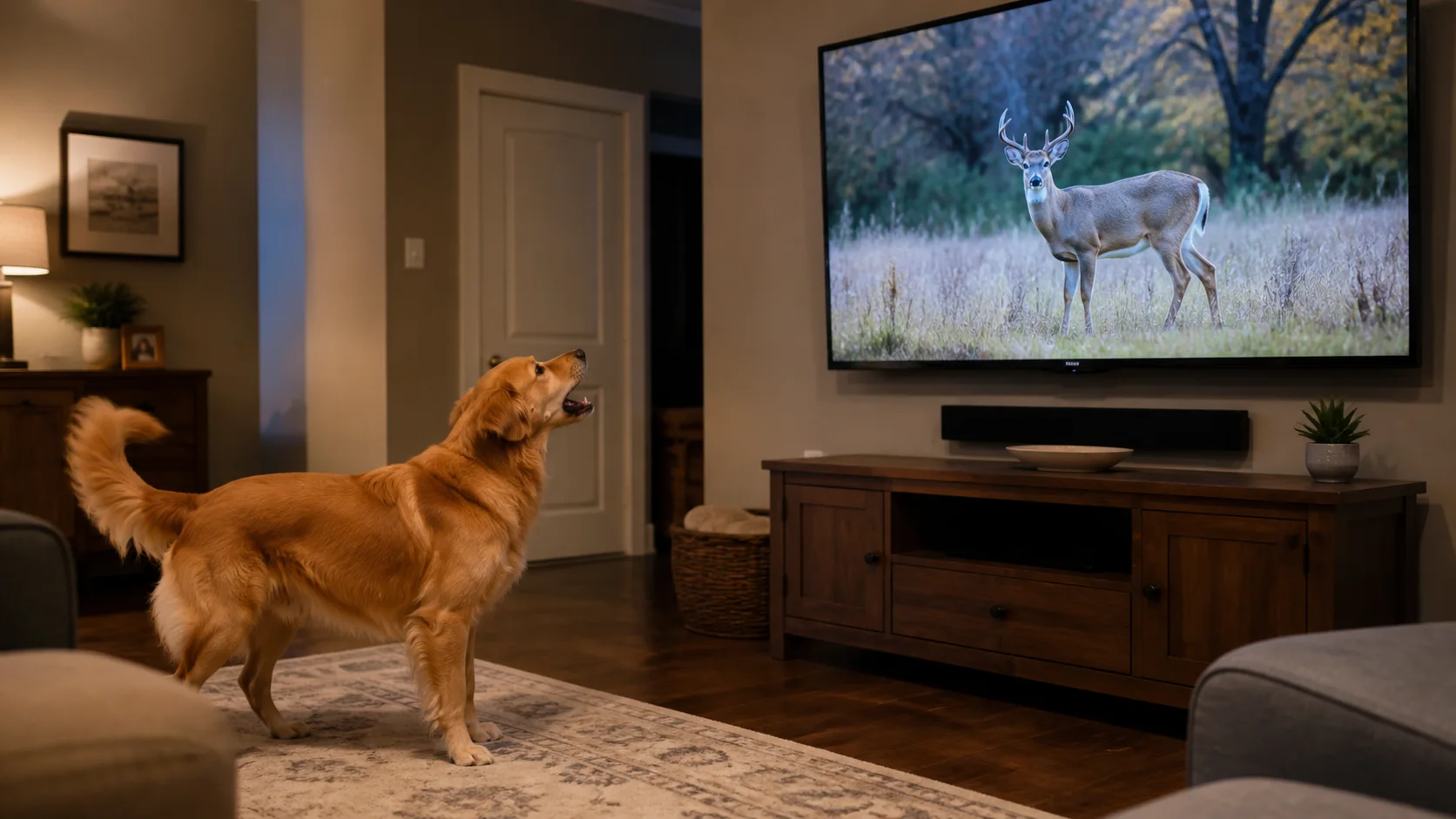

The best dog breeds for families are not chosen by looks alone. A loving companion still needs training, grooming, exercise, vet care, supervision, and a home that understands the dog’s real needs. The right dog can become part of the family rhythm. The wrong match can create stress for everyone, including the dog.
Use breed lists as a starting point, not a guarantee. Individual temperament, breeder or rescue evaluation, early socialization, and daily structure all matter. The American Kennel Club offers breed information at akc.org/dog-breeds, and the American Veterinary Medical Association has pet owner resources at avma.org.
Look for temperament before looks
Families usually do best with dogs that are stable, social, trainable, and able to recover from normal household noise. That does not mean every dog must be mellow. It means the dog’s personality needs to fit your home. A high-energy dog can be great for an active family. The same dog can be overwhelming in a calm household with little time for exercise.
Golden Retrievers and Labrador Retrievers
Goldens and Labs are popular because many are friendly, affectionate, and trainable. They can be wonderful family companions, but they are not low-effort dogs. They shed, need exercise, and require consistent manners. A bored young retriever can chew, jump, and invent work for itself.
Poodles and other smart family dogs
Poodles can be excellent companions because they are intelligent, athletic, and available in different sizes. Many poodle mixes are also popular, but coat care should not be underestimated. Curly coats can mat, and professional grooming costs need to be part of the budget.
Calmer breeds still need structure
Some families look for calmer breeds, but calm does not mean no training. Cavalier King Charles Spaniels, Bichons, some spaniels, and many adult rescue dogs may fit quieter homes, but every dog needs boundaries, house training, handling practice, and safe routines around children.
Questions to ask before choosing
- How much daily exercise can we truly provide?
- Can we afford grooming and vet care?
- Will someone train the dog consistently?
- How does the dog handle children, visitors, and other pets?
- Are we choosing based on lifestyle or just a cute photo?
Think about the dog you can handle on a busy week
It is easy to imagine the best version of dog ownership: long walks, calm evenings, cute photos, and a perfectly behaved companion. The real test is a rainy Tuesday when work ran late and everyone is tired. Choose a breed or individual dog whose needs you can still meet during normal busy weeks, not only during an ideal weekend.
Training is part of love
Family dogs need clear rules. Sit, come, leash manners, crate comfort, calm greetings, and safe handling around children make daily life better for everyone. Training is not about making a dog robotic. It is about giving the dog a shared language with the household.
Budget beyond the adoption fee
Food, grooming, vaccines, heartworm prevention, flea prevention, toys, beds, boarding, training, and emergency vet care all matter. A popular breed can still be a poor fit if the budget does not support the care that dog needs. Planning honestly is kinder than hoping everything works out later.
Match the dog to your household routine
A family dog has to fit the real schedule of the home. If weekday mornings are rushed, evenings are packed, and weekends are unpredictable, choose carefully. A dog that needs two hours of hard exercise every day may become frustrated in a family that can only manage short walks. A sensitive dog may struggle in a loud house with constant visitors. A tiny dog may not enjoy rough toddler energy.
Think about age, not just breed
Puppies are adorable, but they are also work. They need house training, chewing management, socialization, vet visits, and supervision. An adult dog can sometimes be a better fit because size, energy, and personality are easier to see. Families should consider both puppies and adults instead of assuming young is always better.
Breeds families often research
Golden Retrievers, Labrador Retrievers, Poodles, Beagles, Cavalier King Charles Spaniels, Boxers, and many mixed-breed dogs are often considered by families. Each can be wonderful in the right home, and each can be difficult in the wrong one. Beagles may follow their noses. Boxers can be bouncy. Poodles need grooming and mental work. Retrievers need exercise and shed. The details matter.
How to involve kids safely
Children should learn how to respect a dog?s space, food, toys, and rest. No breed should be expected to tolerate ear pulling, climbing, chasing, or teasing. Adults need to supervise, especially with young kids. A good family dog relationship is built from both sides: the dog gets training, and the children learn kindness and boundaries.
Adoption and breeder questions
Ask about health, temperament, energy, grooming, socialization, and behavior around children or other pets. A responsible rescue or breeder should welcome serious questions. If someone rushes you, hides information, or seems more interested in payment than fit, slow down. The right dog is worth patience.
Grooming and shedding should be part of the decision
Families often think first about personality, but grooming can shape daily life just as much. A dog that sheds heavily may be fine for a family that vacuums often and does not mind hair on clothes. A curly-coated dog may shed less, but that coat can require brushing and professional grooming. Neither option is automatically easier. They are simply different kinds of work.
Before choosing a breed, ask what coat care looks like in an ordinary month. How often does the dog need brushing? How often will grooming cost money? Will the dog bring in mud, burrs, or sand? If anyone in the home is sensitive to dander, talk with a medical professional and spend time around similar dogs before making a decision.
Energy level matters more than size
Many people assume a smaller dog is automatically easier and a larger dog is automatically harder. That is not always true. Some small dogs are intense, vocal, and busy. Some large adult dogs are calm indoors when their exercise needs are met. Energy level, training, age, and temperament usually matter more than height at the shoulder.
Think about what your family does on a normal weekday. If you already walk, hike, play outside, or spend time in the yard, an active dog may fit naturally. If your evenings are quiet and your schedule is tight, a lower-energy adult dog may be kinder for everyone. A good match feels manageable even when life is not perfectly organized.
Do a trial version of the routine
Before bringing a dog home, test the routine for a week. Take the walks you think you will take. Price the food, grooming, training, and vet care. Decide where the crate, bed, bowls, leash, toys, and cleaning supplies will go. Talk through who handles mornings, evenings, accidents, and travel. This trial will not be perfect, but it reveals whether the plan is realistic.
Families who prepare honestly usually have an easier adjustment. The dog still needs time to learn the home, and the family still needs patience, but fewer surprises become emergencies. A loving companion deserves more than excitement. The dog deserves a household ready to do the ordinary work.
Final thought
A loving family dog is created by fit, care, and consistency. Choose the dog whose needs you can meet on normal days, not just the one that looks perfect in a picture. That honesty is what gives both the family and the dog the best chance at a good life together.