Most expensive home problems do not start expensive. They start as a drip under the sink, a soft spot near a door, a gutter that overflows every storm, a crack in old caulk, or a weird smell you keep pretending will go away. The trouble is that houses are patient. They will let a small problem sit quietly until the repair is no longer small. That is why some home repairs deserve attention before they turn into a budget punch.
This is not a panic list. Every house has quirks, and not every squeak or stain means disaster. The goal is to notice the repairs that tend to get worse when ignored. If you are not handy, use this as a walkthrough checklist. If you are handy, use it to decide what belongs on the weekend list and what needs a professional.
Fix water leaks as soon as you find them
Water is the most expensive small problem in a house. A slow leak under a sink can damage the cabinet floor, flooring, drywall, and framing. A toilet that rocks can break the wax seal and leak where you cannot see it. A dripping supply line can quietly create mold-friendly moisture. The U.S. Environmental Protection Agency has practical moisture and mold guidance at epa.gov/mold, and the simple message is clear: control moisture early.
Check under sinks, around toilets, near the water heater, behind the washing machine, and below any upstairs bathroom. Look for staining, swelling, musty smells, mineral crust, or soft materials. If you can tighten a fitting safely, replace a worn washer, or swap a supply line, that may be a manageable DIY job. If you see active leaking, soaked materials, or plumbing you do not understand, call a plumber before the damage spreads.
Do not ignore roof and attic clues
You do not need to climb on the roof to spot warning signs. Look for ceiling stains, peeling paint near exterior walls, damp insulation, daylight in the attic where it should not be, or shingles that are visibly missing from the ground. Roof problems are easy to postpone because they feel big. Unfortunately, the water does not wait for you to feel ready.
After heavy rain, walk through the house and attic if it is safe. Use a flashlight. Take photos of stains so you can tell whether they grow. A small roof repair, flashing fix, or vent boot replacement is usually cheaper than repairing drywall, insulation, and framing later. Roof work is often professional territory, especially on steep roofs or multi-story homes.
Clean gutters and fix drainage around the house
Gutters are not glamorous, but they matter. When gutters clog or downspouts dump water beside the foundation, water can move where you do not want it. That can mean crawl space moisture, basement seepage, rotting trim, muddy beds, and foundation stress. Walk around the house during a heavy rain if it is safe. Watch where the water goes.
Downspouts should move water away from the house. Soil should slope away from the foundation, not toward it. Splash blocks, extensions, and basic grading can make a major difference. If water pools near the house every storm, do not treat it like normal. Drainage problems are easier to improve before they damage materials.
Refresh failed caulk before water gets behind it
Old caulk around tubs, showers, sinks, backsplashes, windows, and exterior trim can crack, shrink, or pull away. Once that happens, water can get behind surfaces that were supposed to be protected. Recaulking is one of the cheaper home repairs, but it needs to be done cleanly. Remove failed caulk, clean and dry the area, use the right product, and allow proper cure time.
Do not just smear new caulk over dirty old caulk and call it done. That tends to fail quickly and looks rough. If the wall behind a tub is soft, the trim is rotten, or you see black staining that keeps returning, the problem may already be past simple caulk.
Replace HVAC filters and pay attention to airflow
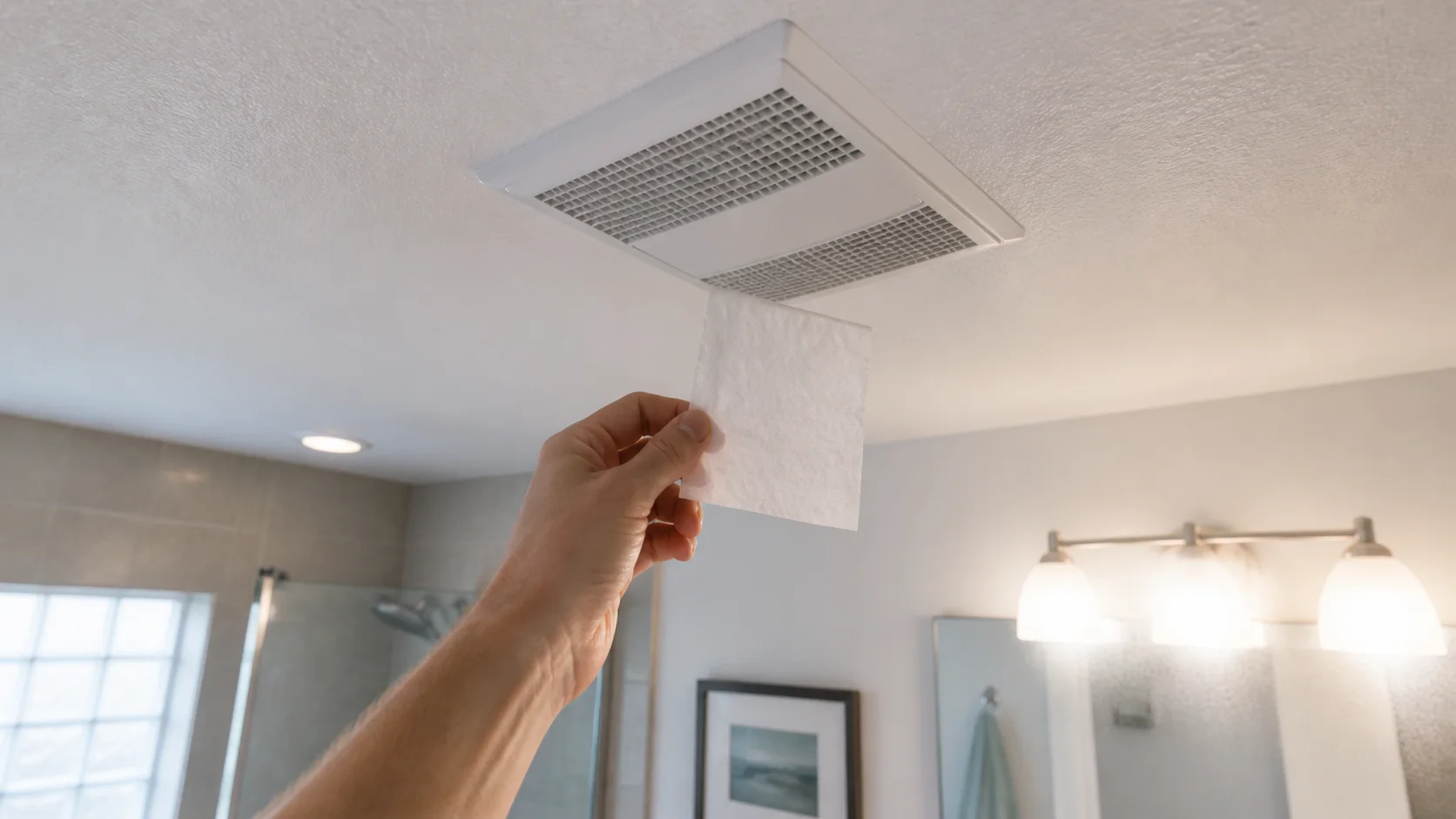
A dirty HVAC filter can make the system work harder, reduce airflow, and make the house feel dusty or uneven. It is one of the easiest maintenance habits to forget because nothing dramatic happens right away. Then the system struggles through the hottest or coldest week of the year.
Check your filter size, keep replacements on hand, and set a reminder. If vents are weak, rooms are wildly uneven, or the unit runs constantly, a filter may not be the only issue. Still, filter changes are a basic habit that protects comfort and equipment. ENERGY STAR also has homeowner guidance on sealing air leaks and improving efficiency at energystar.gov/saveathome/seal_insulate.
Take electrical warning signs seriously
Flickering lights, warm outlets, buzzing switches, breakers that trip repeatedly, scorch marks, and loose outlets should not be ignored. Some simple fixes, like replacing a broken cover plate, are reasonable for many homeowners. But electrical troubleshooting can become dangerous fast.
If an outlet feels hot, a breaker keeps tripping, or you smell burning, stop using that circuit and call a qualified electrician. Saving money is not worth creating a fire risk. This is one of those categories where knowing when not to DIY is part of being a smart homeowner.
Seal pest entry points before the problem grows
Small gaps around pipes, vents, doors, crawl spaces, and siding can invite pests. Once pests find shelter, food, or water, the problem can grow quickly. Walk the exterior of the house and look for gaps, chewed areas, damaged screens, loose door sweeps, or openings around utility lines.
Seal small gaps with appropriate materials, repair screens, and keep vegetation from pressing into the house. If you see droppings, hear movement, or suspect a larger infestation, bring in pest control. The repair is not only about comfort. Pests can damage insulation, wiring, stored items, and air quality.
Build a monthly maintenance walk-through
- Look under sinks and around toilets for staining, swelling, or active drips.
- Check ceilings and attic spaces after heavy rain.
- Walk the outside of the house and watch drainage patterns.
- Test doors, windows, outlets, filters, and caulk before the season changes.
- Make three lists: DIY soon, monitor, and call a professional.
This habit makes repairs less emotional. Instead of waiting until something breaks, you keep a running picture of the house. You will still have surprises, because every homeowner does. But fewer problems will blindside you.
Know the difference between cosmetic and urgent
One reason home maintenance gets stressful is that everything starts to feel equally important. It is not. Scuffed paint, outdated fixtures, and ugly cabinet hardware may bother you every day, but they usually do not threaten the house. Active leaks, unsafe wiring, drainage problems, rotten trim, pest entry points, and moisture stains deserve a faster response because they can spread or create safety issues.
When money is tight, sort repairs by consequence. Ask what happens if the problem sits for thirty days, six months, or a year. If the answer is mostly annoyance, it can probably wait. If the answer is water damage, fire risk, mold, structural damage, or a bigger contractor bill, move it up the list. That simple filter keeps cosmetic frustration from distracting you from the repairs that protect the house.
Keep a small repair fund and photo log
A house is easier to manage when you expect repairs instead of treating each one like a personal insult. Even a small repair fund helps. Put aside what you can, label it for home maintenance, and use it for the boring things that keep the house stable: filters, caulk, hoses, weatherstripping, gutter parts, pest supplies, and service calls.
A photo log also helps. Take pictures of stains, cracks, appliance labels, filter sizes, plumbing shutoffs, roof concerns, and repairs after they are finished. Store them in a folder by date. When you call a contractor, compare damage, or need to remember what size part you bought last time, those photos save time and make you sound much more prepared.
Final thought
The home repairs you should stop ignoring are usually the ones that involve water, safety, air movement, pests, and exterior protection. Handle small problems while they are still small. Your house does not need perfection. It needs attention before a simple fix turns into a repair you can feel in your stomach.