Dog care becomes harder when every task is reactive. You notice the nails when they are too long, the shedding when the couch is covered, the leash behavior when the walk is already embarrassing, and the missing medicine when the vet appointment is tomorrow. Everyday dog care habits prevent that kind of chaos.
This is not about being a perfect dog owner. It is about building small routines that make life easier for the dog and the people in the house. Pair these habits with our pet-friendly cleaning guide and your home will recover faster from normal dog life.
Keep Feeding Predictable
Dogs often do better when food routines are boring in a good way. Feed at consistent times when possible, keep bowls clean, and store food securely. Predictability helps you notice appetite changes sooner.
The AVMA pet care resources are a useful place to start for general health topics, but your veterinarian should guide diet and medical decisions.
Make Walks a Training Moment
A walk is not just exercise. It is a daily chance to practice leash manners, attention, and calm transitions. Keep treats near the leash, reward good choices, and do not wait until the dog is already overstimulated to ask for control.
Short, consistent walks can be more useful than rare long walks where everyone gets frustrated.
Brush Before Hair Takes Over
Brushing works best before shedding becomes a house problem. Keep a brush where you will use it, not buried in a closet. A few minutes several times a week can reduce loose hair, mats, and cleanup.
Coat type matters. Long-haired, double-coated, curly, and short-coated dogs need different tools. The AKC grooming guidance can help you understand basics, but a groomer or vet can give breed-specific advice.
Check Paws, Ears, and Nails
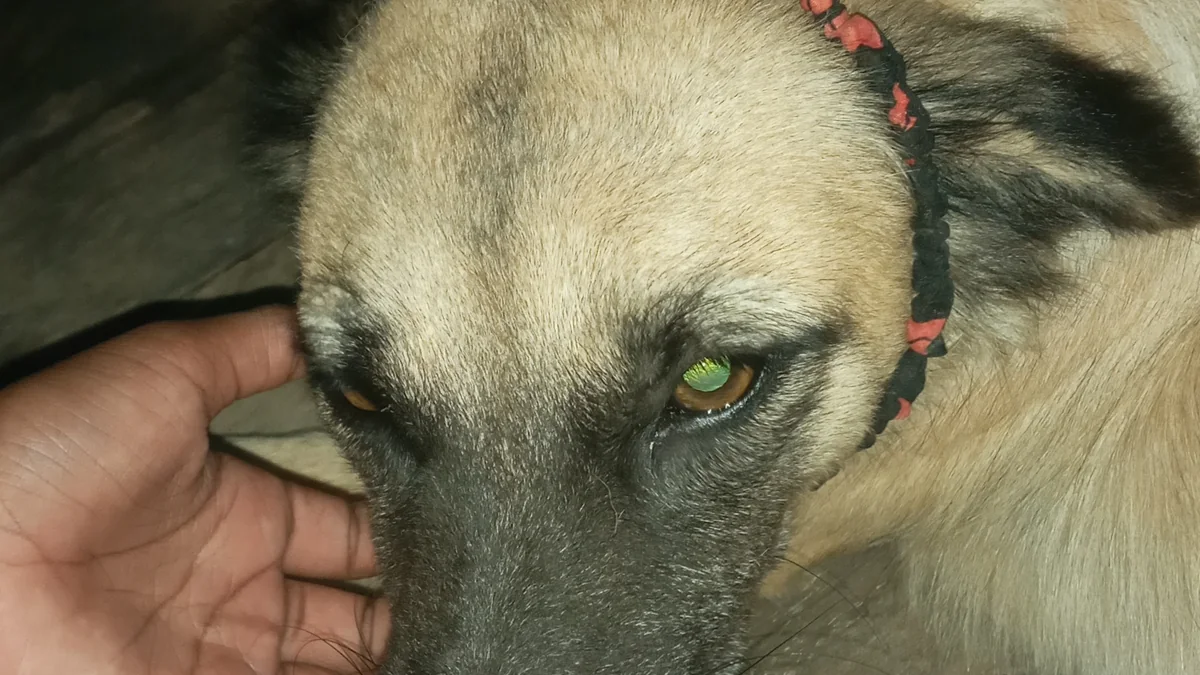
Quick checks prevent surprises. Look for cracked pads, burrs, redness, ear odor, or nails getting too long. You do not need to turn this into a medical exam every day. Just notice changes.
Handling paws and ears gently during calm moments also makes vet and grooming visits less dramatic.
Create a Dog Station
Leashes, bags, towels, treats, medicine, grooming tools, and cleaning spray need homes. A dog station near the door or laundry area saves time and keeps mess from spreading.
This setup is especially helpful if your house has kids, multiple dogs, or muddy weather. Nobody should have to search for waste bags while the dog is dancing at the door.
Give Structure Before Spoiling
Many behavior problems get worse when dogs have affection but no structure. Meals, walks, rest, training, and boundaries help dogs understand the day. Spoiling is more fun when the basics are steady.
If you are choosing a dog, our family dog breed guide is a reminder that breed traits and care needs matter before the cute photo.
Daily Dog Care Checklist
- Keep feeding and walks predictable.
- Brush before shedding gets out of hand.
- Check paws, ears, and nails regularly.
- Store dog supplies in one practical zone.
- Use daily routines for small training moments.
Make Dog Care Ordinary
Everyday dog care is easier when it is ordinary. Small habits done consistently beat occasional heroic cleanup, grooming, or training sessions.
Use Transitions as Care Moments
The easiest dog care habits attach to transitions that already happen. Wipe paws when coming inside, brush near evening TV time, check the water bowl after breakfast, and practice calm leash behavior before opening the door.
This works because you are not inventing a new schedule. You are improving the moments that already exist.
Make Vet Information Easy to Find
Keep vaccine records, medication names, microchip information, insurance details, and your vet's phone number in one place. Emergencies are not the time to search through old emails.
A simple folder, phone note, or printed sheet can make appointments and urgent calls less chaotic.
Rotate Toys Instead of Buying Constantly
Dogs often enjoy toys more when they are rotated. Put some away and bring them back later instead of buying new toys every time the dog seems bored. This keeps clutter down and makes old toys feel interesting again.
Throw away damaged toys before they become hazards. A toy bin should not be a museum of shredded fabric and questionable squeakers.
The Calm Dog Home Advantage
A calm dog home is not silent or spotless. It is predictable. The dog knows where to eat, when walks usually happen, where toys belong, and what behavior gets rewarded. The people know where the leash, towels, records, and cleaning supplies live. That shared predictability lowers stress for everyone, which is why small dog care habits are worth repeating.
Keep Leash Manners Boring and Consistent
Dog walks get harder when every outing starts with chaos. Practice the same small routine before the door opens: leash on, pause, calm body, then step outside. The goal is not perfection. The goal is making the start predictable.
Consistent leash habits help the owner as much as the dog. A calmer beginning makes walks safer, especially with kids, traffic, other dogs, or multiple pets in the house.
Use Food and Water Stations That Clean Easily
A dog feeding area should not become a sticky corner everyone avoids. Use washable mats, bowls that fit the dog, and a location that can handle spills. Clean water bowls often and keep extra towels nearby if your dog is messy.
This small setup saves daily annoyance. It also helps you notice changes in appetite, water intake, or behavior because the area is not buried in clutter.
Schedule Grooming Before It Becomes a Battle
Brushing, nail trims, ear checks, and baths are easier when they happen before the dog is miserable. Waiting until nails are too long or mats are tight makes the job harder and more stressful.
Break grooming into tiny sessions if needed. A few calm minutes several times a week can work better than one dramatic weekend attempt.
Make Quiet Time Part of Care
Dogs need activity, but they also need practice settling down. A dog that never learns quiet time can turn every evening into a demand for attention. Use a bed, crate if appropriate, chew, or calm routine to teach rest.
This is especially useful in busy homes. A dog that can relax while people cook, work, or handle kids makes the whole house easier to live in.
Prepare for the Mess Before It Happens
Dog life is easier when towels, wipes, waste bags, stain cleaner, and spare leashes are already where you need them. Put supplies near doors, cars, crates, or feeding areas instead of hiding everything in one distant closet.
This does not make a house perfect. It makes normal dog mess less dramatic, which is usually what pet owners need most.
Notice Changes Before They Become Problems
Everyday care also means paying attention. Changes in appetite, drinking, bathroom habits, energy, skin, ears, movement, or behavior deserve a note. You do not need to panic over every odd moment, but patterns matter.
Writing changes down helps at the vet and keeps family members on the same page. A simple note can turn a vague worry into useful information.
Keep Training Tiny but Daily
Training does not have to be a long session. Two minutes of sit, stay, recall, leash manners, or place work can reinforce the behavior you want. Short daily practice beats rare marathon sessions that frustrate everyone.
Tie training to normal life: before meals, before walks, after guests leave, or during a calm evening. The habit stays easier when it belongs to moments already happening.