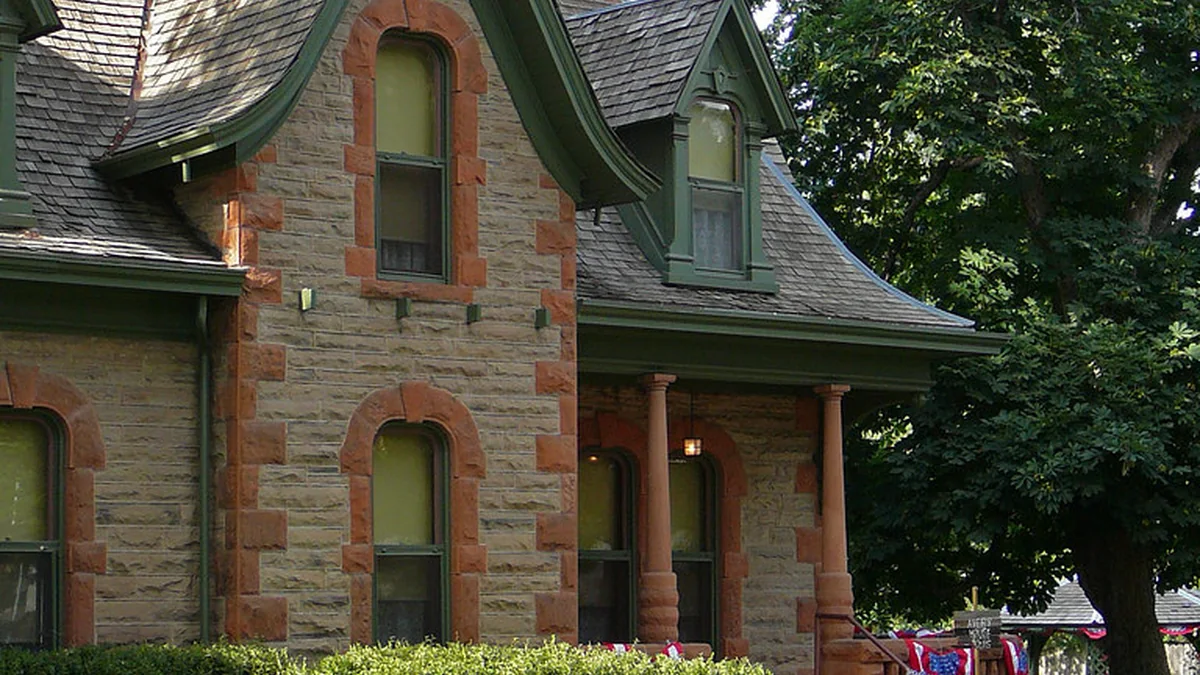
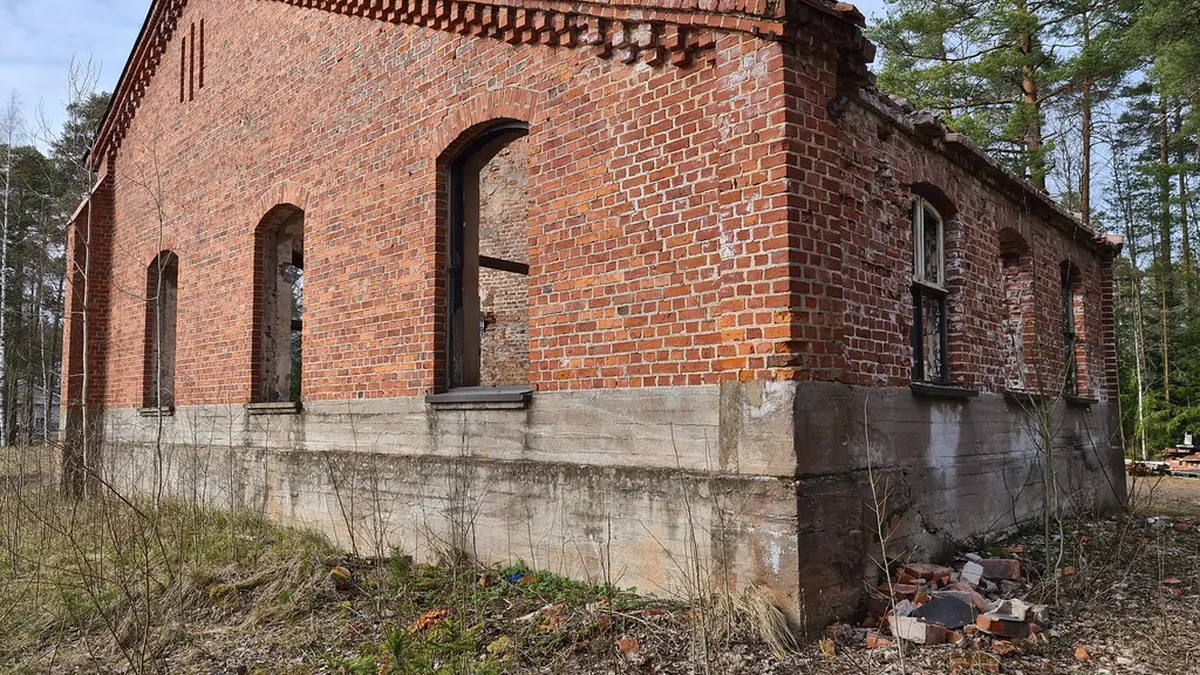
Abandoned places fascinate people because they mix history, mystery, decay, memory, and imagination. The key is being curious without trespassing, vandalizing, or treating unsafe places like entertainment.
The best answer to Why Abandoned Places Fascinate So Many People starts with context. Readers do not need a lecture or a perfect-life routine; they need a useful way to understand the pattern, make the next move, and avoid creating a second problem while trying to fix the first one.
For why abandoned places fascinate so many people, check official destination pages, park or attraction notices, and road-safety basics before you build the day around an assumption. A five-minute confirmation can save a wasted drive.
Decay tells a visible story
Decay tells a visible story. keeps why abandoned places fascinate people from turning into a schedule you have to survive. A good trip has anchors, but it also has space for lunch to run long, a side street to look interesting, or one stop to be better than expected.
Use decay tells a visible story as a filter. If it adds cost, driving time, or stress without making the day better, cut it. If it gives the trip more flavor, more comfort, or a better story, keep it and give it enough breathing room.
Nostalgia plays a role
Nostalgia plays a role. keeps why abandoned places fascinate people from turning into a schedule you have to survive. A good trip has anchors, but it also has space for lunch to run long, a side street to look interesting, or one stop to be better than expected.
Use nostalgia plays a role as a filter. If it adds cost, driving time, or stress without making the day better, cut it. If it gives the trip more flavor, more comfort, or a better story, keep it and give it enough breathing room.
How to keep it from taking over the trip
Put a limit around nostalgia plays a role before the day starts. With why abandoned places fascinate people, a stop can be memorable without becoming the whole itinerary, and a budget can protect the weekend without making it feel cheap.
Curiosity needs boundaries
Curiosity needs boundaries. keeps why abandoned places fascinate people from turning into a schedule you have to survive. A good trip has anchors, but it also has space for lunch to run long, a side street to look interesting, or one stop to be better than expected.
Use curiosity needs boundaries as a filter. If it adds cost, driving time, or stress without making the day better, cut it. If it gives the trip more flavor, more comfort, or a better story, keep it and give it enough breathing room.
Safety matters more than photos
Safety matters more than photos. keeps why abandoned places fascinate people from turning into a schedule you have to survive. A good trip has anchors, but it also has space for lunch to run long, a side street to look interesting, or one stop to be better than expected.
Use safety matters more than photos as a filter. If it adds cost, driving time, or stress without making the day better, cut it. If it gives the trip more flavor, more comfort, or a better story, keep it and give it enough breathing room.
Use legal tours and museums
Use legal tours and museums. keeps why abandoned places fascinate people from turning into a schedule you have to survive. A good trip has anchors, but it also has space for lunch to run long, a side street to look interesting, or one stop to be better than expected.
Use use legal tours and museums as a filter. If it adds cost, driving time, or stress without making the day better, cut it. If it gives the trip more flavor, more comfort, or a better story, keep it and give it enough breathing room.
How to keep it from taking over the trip
Put a limit around use legal tours and museums before the day starts. With why abandoned places fascinate people, a stop can be memorable without becoming the whole itinerary, and a budget can protect the weekend without making it feel cheap.
Respect communities left behind
Respect communities left behind. keeps why abandoned places fascinate people from turning into a schedule you have to survive. A good trip has anchors, but it also has space for lunch to run long, a side street to look interesting, or one stop to be better than expected.
Use respect communities left behind as a filter. If it adds cost, driving time, or stress without making the day better, cut it. If it gives the trip more flavor, more comfort, or a better story, keep it and give it enough breathing room.
A Realistic First Step
The first step with why abandoned places fascinate people should be almost boring. Pick the smallest action that changes the pattern: move the leash, set up a gate, write down the date, choose the first stop, clear one surface, or decide what you will not spend money on this week. The smaller the first step is, the more likely it is to happen before motivation wears off.
For why abandoned places fascinate so many people, the useful test is whether the first move lowers friction. If it makes the next decision clearer and keeps the situation from getting louder, it is doing its job.
Common Mistakes to Avoid
- Name the real issue behind why abandoned places fascinate people.
- Change one variable before changing everything.
- Use calm repetition instead of panic fixes.
- Check reliable sources when safety, health, or law is involved.
- Ask for professional help when the problem escalates.
When to Slow Down
Slow down when why abandoned places fascinate people starts making everyone reactive. If people are rushing, snapping, overspending, guessing, or correcting the same thing over and over, the plan needs more structure and less emotion. Pause long enough to ask what the situation is actually asking for.
With why abandoned places fascinate so many people, slowing down can be the responsible move. That might mean checking a source, asking for qualified help, postponing the expensive choice, or stopping after one solid improvement.
How to Know It Is Working
You will know the plan for why abandoned places fascinate people is working when the next attempt feels calmer than the last one. It may not be perfect, but there should be less confusion, less wasted motion, fewer repeated mistakes, or a clearer sense of what to do next.
Track the plain evidence around why abandoned places fascinate so many people: fewer repeated problems, a calmer response, better timing, cleaner setup, safer choices, or less money wasted. Progress usually shows up in those ordinary details first.
Related Mind of Griff Guides
- Best Things to Do in Charleston, SC for a Slow Weekend
- Things to Do in Myrtle Beach That Aren't Just the Beach
- Best Things to Do in New Orleans Beyond Bourbon Street
Bottom Line
The useful takeaway is simple: why abandoned places fascinate people gets easier when you stop chasing a perfect answer and start reading the actual situation in front of you. Notice the pattern, choose one realistic adjustment, and give that adjustment enough repetition to work.
Do not judge why abandoned places fascinate so many people by how impressive the plan sounds. Judge it by whether the next attempt is easier, the same mistake happens less often, and the people involved know what comes next.
If why abandoned places fascinate so many people touches safety, health, legal risk, or behavior that keeps escalating, bring in qualified help early. The smart move is the one that keeps the next step clearer and safer.