New Orleans history is too layered to be treated as background scenery. The city carries French, Spanish, African, Caribbean, American, Creole, Catholic, Jewish, immigrant, Black, Indigenous, musical, culinary, and river histories all at once.
A good history-focused trip does not try to solve the city in one weekend. It chooses places that add context and helps visitors walk away with more respect than they arrived with.
Start at The Historic New Orleans Collection
The Historic New Orleans Collection is a strong starting point because it gives visitors a more grounded view of the city. Exhibits, documents, art, and interpretation can help organize the stories you will encounter outside.
Check The Historic New Orleans Collection for current exhibitions and visitor information.
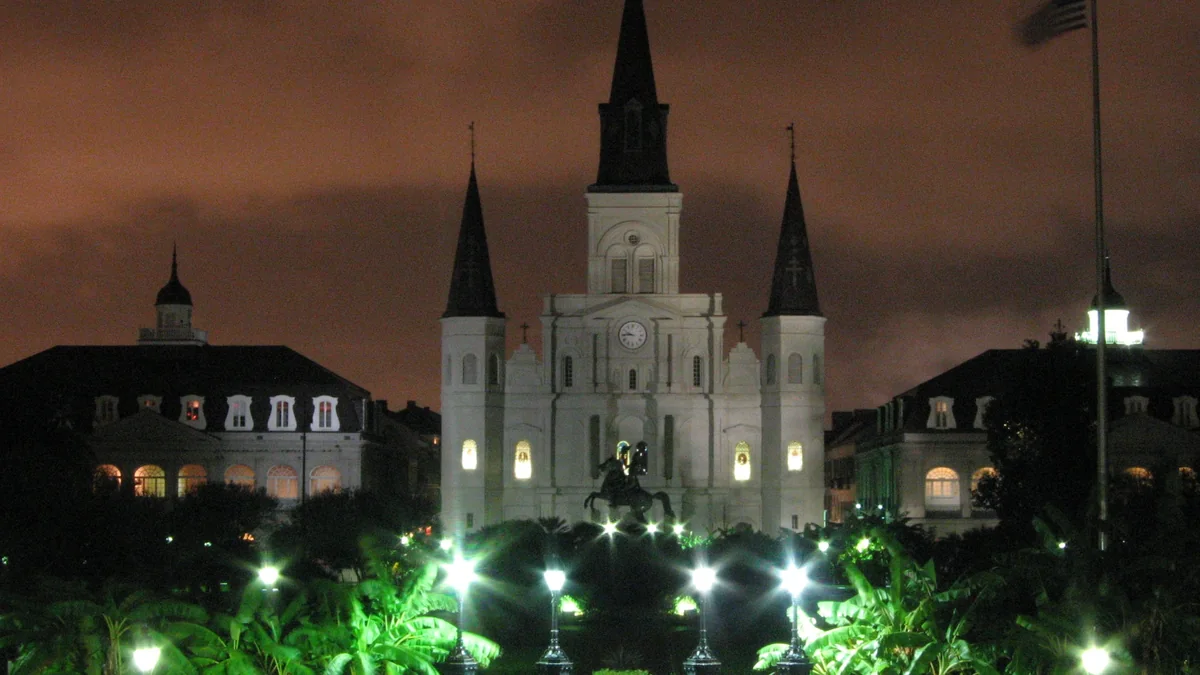
Use the Cabildo and Presbytere for French Quarter Context
The Cabildo and Presbytere help explain why the French Quarter matters beyond nightlife. Architecture, government, culture, disaster, celebration, and daily life all connect through these museum spaces.
They also make the surrounding streets more meaningful. After the museum, the Quarter looks less like a backdrop and more like a place shaped by conflict, commerce, faith, and survival.
Treat Congo Square as Essential, Not Optional
Congo Square belongs in any serious New Orleans history plan. Its role in music, gathering, African cultural retention, and public life makes it more than a quick stop on the edge of the Quarter.
Stand there with enough time to understand why the place matters. Some sites are powerful because of what happened there, not because they are visually dramatic.
Choose Cemetery Tours Carefully
New Orleans cemeteries are historically important, but they should not be treated like spooky playgrounds. Use reputable tours, follow rules, and remember these spaces hold real families and religious traditions.
A respectful cemetery visit can teach architecture, burial customs, immigration, disease, class, and local identity.
Connect Food to History
Food in New Orleans is history you can taste, but it should not be flattened into a checklist of dishes. Gumbo, red beans, po' boys, seafood, beignets, and Creole cooking all carry stories of labor, migration, trade, and adaptation.
A good meal becomes more meaningful when you understand a little of what shaped it.
Use Music as a Historical Source
Jazz, brass bands, second lines, rhythm and blues, gospel, funk, bounce, and street performance all show how New Orleans history moves through sound. Music is not only entertainment here.
Choose one music experience where listening matters. Read about the venue, musicians, or neighborhood before going if you can.
Walk the Garden District With More Than House Envy
The Garden District is beautiful, but beauty alone can hide the economic and social history behind it. Architecture, wealth, labor, transportation, and changing neighborhoods all belong in the story.
Look for guided interpretation or read before you go. Pretty streets can teach more when you ask better questions.
Make Hurricane Katrina Part of the Story With Care
Modern New Orleans cannot be understood without Hurricane Katrina and the failures, losses, rebuilding, displacement, and resilience that followed. Approach the subject with humility and reliable sources.
The goal is not disaster tourism. The goal is acknowledging recent history as part of the living city.
New Orleans History Visit Checklist
- Start with a museum or collection.
- Treat Congo Square as essential.
- Use respectful tours for cemeteries.
- Connect music and food to history.
- Avoid turning painful history into entertainment.
How to Fit Historic Places In New Orleans That Tell The Citys Real Story Into a Real Day
Historic Places In New Orleans That Tell The Citys Real Story works better when it has a place in the day instead of floating as a random idea. Put it near a meal, a rest break, a walk, or the route you were already taking so the plan feels natural.
For Historic Places in New Orleans That Tell the, the best history stop is one you can actually slow down enough to notice. Read the marker, look at the surrounding street, and give the place a few minutes before rushing to the next photo.
What to Check Before You Commit to Historic Places In New Orleans That Tell The Citys Real Story
Before making historic places in new orleans that tell the citys real story the center of the plan, check the details that can quietly change the experience: hours, parking, ticket rules, seasonal closures, accessibility, weather, and how long the stop honestly takes.
The best version of Historic Places in New Orleans That Tell is practical, not overbuilt. Keep the plan small enough to finish, specific enough to remember, and flexible enough that a normal busy day does not ruin it.
Who Will Appreciate Historic Places In New Orleans That Tell The Citys Real Story Most
Historic Places In New Orleans That Tell The Citys Real Story is most useful for people who want a plan that feels realistic rather than performative. It fits readers who care about comfort, timing, usefulness, and a little personality in the day.
Use Historic Places in New Orleans That Tell as a filter, not a script. The right answer should fit the people, place, weather, money, pets, kids, or schedule involved instead of pretending every reader lives the same day.
The Easy Mistake With Historic Places In New Orleans That Tell The Citys Real Story
The easy mistake with historic places in new orleans that tell the citys real story is trying to make it do too much. One article, one trip idea, one project, or one meal plan cannot fix every possible situation. It should solve the main problem well.
History works better in Historic Places in New Orleans That Tell the when the day has breathing room. One meaningful stop with context will stick longer than five quick stops treated like boxes to check.
How to Make Historic Places In New Orleans That Tell The Citys Real Story More Personal
The best version of historic places in new orleans that tell the citys real story should leave room for your own taste. Choose the stop, project, meal, or routine that fits your household, travel style, budget, and patience level.
The personal filter is what makes Historic Places in New Orleans That Tell worth reading. Take the parts that fit your home, trip, routine, budget, or family, and leave the rest instead of forcing someone else’s version of a good day.
A Practical Next Step for Historic Places In New Orleans That Tell The Citys Real Story
If historic places in new orleans that tell the citys real story feels useful but still broad, start with one decision. Pick the neighborhood, the room, the first repair, the meal window, the museum, the trail, or the supply list before adding anything else.
Treat Historic Places in New Orleans That Tell like a real-life decision, not a checklist to impress anyone. Start with the part that solves the biggest annoyance, then build from there only if it genuinely helps.
When to Keep Historic Places In New Orleans That Tell The Citys Real Story Simple
Historic Places In New Orleans That Tell The Citys Real Story does not need to become a full production to be worthwhile. When time, weather, money, or energy is limited, choose the smallest version that still solves the main problem.
The practical way to handle Historic Places in New Orleans That Tell the is to pair a historic site with a nearby walk, meal, or quiet break. That keeps the story connected to the present-day place around it.
How Historic Places In New Orleans That Tell The Citys Real Story Connects to the Rest of the Site
Historic Places In New Orleans That Tell The Citys Real Story should not sit alone as a one-off idea. It connects naturally to related guides, categories, and practical decisions readers may make before or after they use the article.
That connection matters for Historic Places in New Orleans That Tell because readers should be able to move naturally from one helpful idea to the next. Good internal links make the site easier to use without forcing the article to sound mechanical.
The Real Story Is Layered
The best historic places in New Orleans do not give you one simple story. They show a city shaped by joy, violence, migration, creativity, water, labor, religion, food, and music. That complexity is why the history matters.
For a broader trip plan, read things to do in New Orleans beyond Bourbon Street.