New York City does not need help being famous. The challenge is avoiding a trip that feels like you spent the whole weekend standing in lines for places everyone else told you to see. The better version of New York is built around neighborhoods, walks, food, museums, parks, and a few classic stops chosen carefully.
Use this guide when you want New York City to feel alive instead of over-scheduled. You can still see icons, but the best memories often happen between them.
Pick One Neighborhood and Stay With It for a While
New York rewards depth more than frantic movement. Choose a neighborhood such as the West Village, Lower East Side, Harlem, Astoria, DUMBO, or the Upper West Side and give yourself time to walk, eat, browse, and sit.
A neighborhood block can tell you more about the city than three rushed subway rides. Let the day have a center instead of chasing pins all over the map.
Use the Ferry as a Sightseeing Shortcut
The NYC Ferry can turn transportation into part of the experience. You get skyline views, water, fresh air, and a break from subway tunnels without booking a formal harbor cruise.
Check the NYC Ferry routes and schedules before building the day around it. Weather matters, but on a clear day it can be one of the best values in the city.
Walk a Park That Is Not Only Central Park
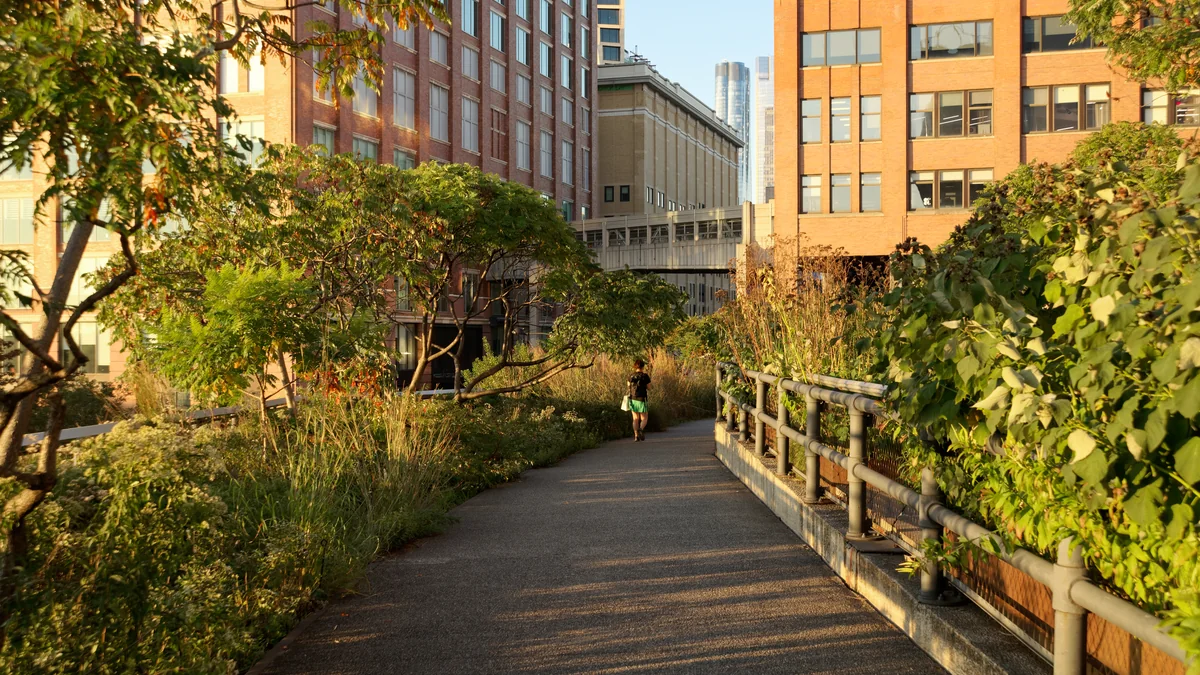
Central Park is famous for good reason, but New York has many green spaces worth planning around. Brooklyn Bridge Park, Riverside Park, Fort Tryon Park, Prospect Park, and the High Line each give the city a different mood.
Choose a park near food or a museum so the walk becomes part of the day instead of a detached stop.
Eat Where the Day Already Takes You
The best New York food plan is not always the trendiest reservation. It is the bagel, slice, bakery, dumpling stop, diner, market, or neighborhood restaurant that fits the route and keeps the day moving.
If you are tired of chains, use best local food spots in New York City to think through better food stops.
Choose One Museum Instead of Three
New York museums can swallow entire days. Pick one that matches your interests: art, design, history, immigration, transit, photography, or natural history. Then give it enough time to breathe.
Trying to visit every museum in one weekend usually means you remember gift shops and sore feet. One good museum visit is stronger than three shallow ones.
Add a Bridge or Waterfront Walk
A bridge or waterfront walk gives the city scale. The Brooklyn Bridge is the obvious classic, but Manhattan Bridge views, Brooklyn Bridge Park, Hudson River Park, and Gantry Plaza can also be memorable.
Go early for the most famous walks. Crowds can turn a beautiful route into a slow shuffle if you arrive at peak time.
Let a Market Replace a Formal Attraction
Food halls, flea markets, greenmarkets, and neighborhood markets can be more fun than another ticketed stop. They give you snacks, people-watching, local vendors, and a reason to explore nearby blocks.
A market works especially well on a short trip because it solves food and activity at the same time.
Leave Time for the Subway to Be the Subway
New York transit is powerful, but delays, stairs, crowds, and missed connections happen. Build a little slack into the day so one train problem does not ruin the whole plan.
A realistic New York itinerary has fewer stops than a fantasy map. That is not settling. It is how you enjoy the city instead of wrestling it.
New York Without Tourist-Trap Burnout
- Choose one neighborhood anchor.
- Use ferry or waterfront views for breathing room.
- Plan food before hunger makes decisions.
- Pick one museum with purpose.
- Leave transit slack between plans.
How to Fit Best Things To Do In New York City When You Want More Than Tourist Traps Into a Real Day
Best Things To Do In New York City When You Want More Than Tourist Traps works better when it has a place in the day instead of floating as a random idea. Put it near a meal, a rest break, a walk, or the route you were already taking so the plan feels natural.
For Best Things to Do in New York City, build the day around one anchor and two flexible stops. That keeps the trip easy to adjust when traffic, weather, hunger, or energy changes the plan.
What to Check Before You Commit to Best Things To Do In New York City When You Want More Than Tourist Traps
Before making best things to do in new york city when you want more than tourist traps the center of the plan, check the details that can quietly change the experience: hours, parking, ticket rules, seasonal closures, accessibility, weather, and how long the stop honestly takes.
The best version of Best Things to Do in New York is practical, not overbuilt. Keep the plan small enough to finish, specific enough to remember, and flexible enough that a normal busy day does not ruin it.
Who Will Appreciate Best Things To Do In New York City When You Want More Than Tourist Traps Most
Best Things To Do In New York City When You Want More Than Tourist Traps is most useful for people who want a plan that feels realistic rather than performative. It fits readers who care about comfort, timing, usefulness, and a little personality in the day.
Use Best Things to Do in New York as a filter, not a script. The right answer should fit the people, place, weather, money, pets, kids, or schedule involved instead of pretending every reader lives the same day.
The Easy Mistake With Best Things To Do In New York City When You Want More Than Tourist Traps
The easy mistake with best things to do in new york city when you want more than tourist traps is trying to make it do too much. One article, one trip idea, one project, or one meal plan cannot fix every possible situation. It should solve the main problem well.
The best way to enjoy Best Things to Do in New York City is to avoid cramming the schedule. Choose a strong starting point, keep a nearby backup, and leave space for the place to surprise you.
How to Make Best Things To Do In New York City When You Want More Than Tourist Traps More Personal
The best version of best things to do in new york city when you want more than tourist traps should leave room for your own taste. Choose the stop, project, meal, or routine that fits your household, travel style, budget, and patience level.
The personal filter is what makes Best Things to Do in New York worth reading. Take the parts that fit your home, trip, routine, budget, or family, and leave the rest instead of forcing someone else’s version of a good day.
A Practical Next Step for Best Things To Do In New York City When You Want More Than Tourist Traps
If best things to do in new york city when you want more than tourist traps feels useful but still broad, start with one decision. Pick the neighborhood, the room, the first repair, the meal window, the museum, the trail, or the supply list before adding anything else.
Treat Best Things to Do in New York like a real-life decision, not a checklist to impress anyone. Start with the part that solves the biggest annoyance, then build from there only if it genuinely helps.
When to Keep Best Things To Do In New York City When You Want More Than Tourist Traps Simple
Best Things To Do In New York City When You Want More Than Tourist Traps does not need to become a full production to be worthwhile. When time, weather, money, or energy is limited, choose the smallest version that still solves the main problem.
A useful plan for Best Things to Do in New York City should feel possible by lunchtime, not impressive on paper. Short walks, easy meals, and one memorable stop usually beat an overstuffed itinerary.
The New York Trip That Feels Like Yours
The best New York City weekend is not the one with the most famous stops. It is the one where you walk enough to notice the city, eat well, leave room for surprises, and choose icons because they fit the trip, not because a list demanded them.
For a quieter angle, pair this with hidden gems in New York City.