Charleston food is easier to enjoy when you stop treating every meal like a last-minute emergency. The best casual meals usually come from matching the neighborhood, timing, budget, and energy you actually have.
Charleston has serious food pull, but hype can make visitors overbook and overspend. The smarter approach is choosing meals that match the neighborhood, timing, and kind of Charleston day you want.
Start With the Charleston Neighborhood You Are Already In
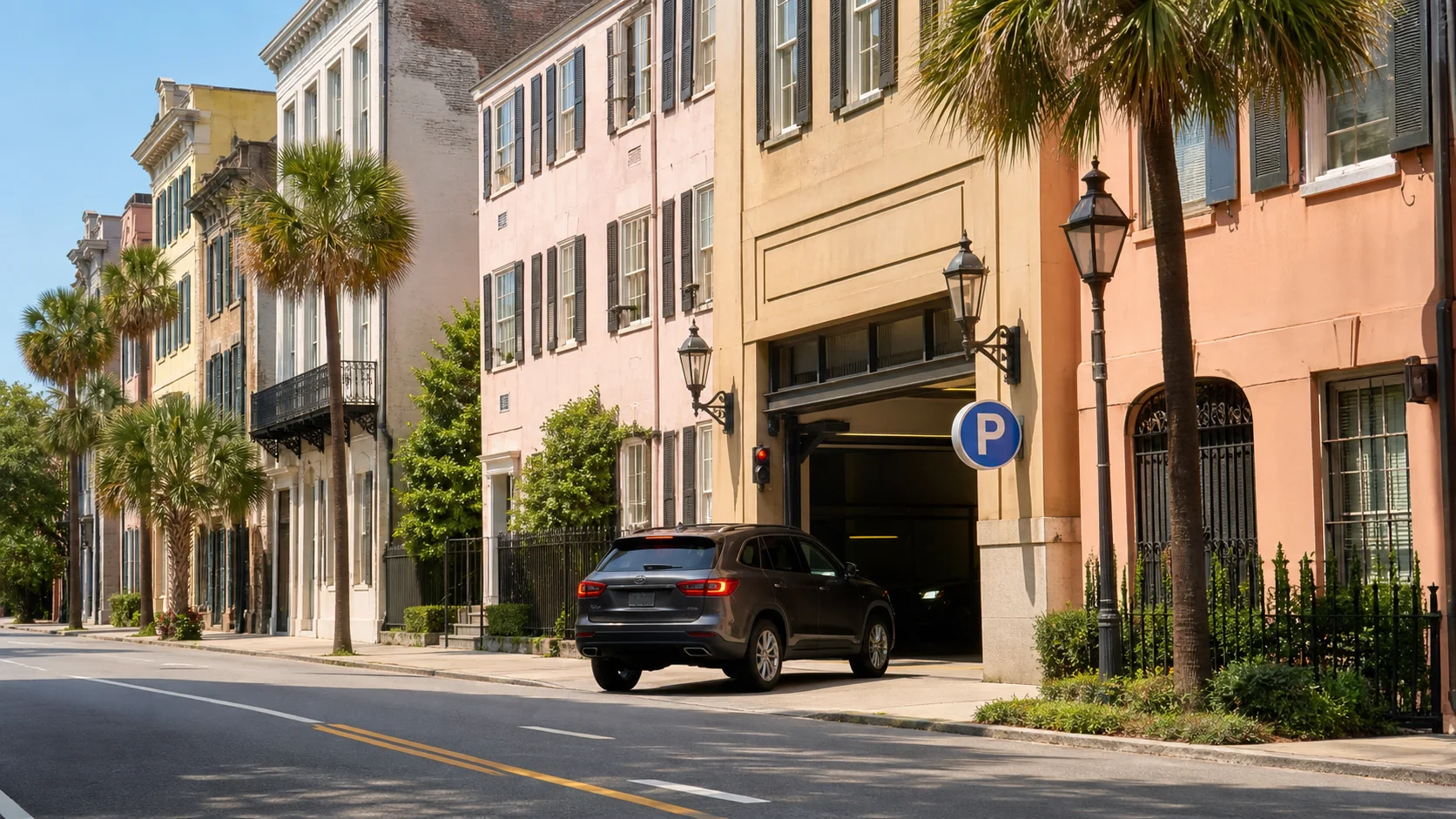
In Charleston, a meal plan works better when it follows the route. If you are near the historic district or upper peninsula, stay nearby long enough to eat instead of crossing town for a place that sounded good online.
For Best Local Restaurants in Charleston SC That Are, the better food choice is the one that fits the day without turning every stop into a production. Look for timing, parking, price, and mood before chasing the place with the longest line. The filter for this part is timing.
Use Mount Pleasant, West Ashley, or a beach-adjacent area for a Different Food Mood
Mount Pleasant, West Ashley, or a beach-adjacent area gives the trip a second flavor. It can be the place for lunch, dessert, coffee, a casual dinner, or a backup when the first choice has a long wait.
Thinking by area helps you avoid the trap of comparing every restaurant in the city at once.
Plan One Meal and Leave One Flexible
A good meal plan for Best Local Restaurants in Charleston SC That Are should leave room for appetite and weather. Pick the stop that supports the trip, then keep a backup nearby so one closed kitchen does not wreck the afternoon. The filter for this part is parking.
Flexibility is not laziness. It is how travel food stays enjoyable instead of becoming another appointment.
Read Menus Before Everyone Is Hungry
When eating is part of Best Local Restaurants in Charleston SC That Are, use local flavor as the goal instead of hype alone. A smaller place with a clear menu and an easy route can beat a famous name that makes the whole day harder. The filter for this part is price.
The smartest food move in Best Local Restaurants in Charleston SC That Are is usually practical: check hours, scan the menu, know the parking situation, and choose the meal that still sounds good when everyone is tired. The filter for this part is the backup plan.
Treat Local Signals Better Than Viral Hype
For Best Local Restaurants in Charleston SC That Are, a restaurant only helps the day if it works with the neighborhood around it. A good stop should make the next walk, drive, or activity easier instead of pulling the whole plan out of shape. The filter for this part is the easiest route.
Viral spots are not automatically bad. They just should not be the only filter.
Keep a Backup Within Walking or Short-Drive Distance
The best food stop in Best Local Restaurants in Charleston SC That Are is not always the loudest recommendation. Give extra weight to steady service, a menu that knows what it is doing, and a location that does not eat up the afternoon. The filter for this part is the group’s energy.
The backup keeps one closed door from turning into a hungry argument.
Check Explore Charleston for Current Events and Food Areas
Tourism and city resources can help with food festivals, markets, neighborhood events, and seasonal closures. Start with Explore Charleston when timing matters.
Current information matters more than old listicles, especially for events and opening hours.
Connect the Meal to the Rest of the Trip
A good Charleston meal should make the rest of the day easier. Pair it with a park, museum, walk, show, beach, or neighborhood browse instead of treating food as a detached errand.
For more planning, read things to do in Charleston for a slow weekend.
Charleston Food Planning Checklist
- Choose food by area, not only ranking.
- Plan the most important meal ahead.
- Keep one flexible meal slot.
- Check hours and menus before hunger hits.
- Have a nearby backup.
How to Fit Best Local Restaurants In Charleston Sc That Are Worth The Hype Into a Real Day
Best Local Restaurants In Charleston Sc That Are Worth The Hype works better when it has a place in the day instead of floating as a random idea. Put it near a meal, a rest break, a walk, or the route you were already taking so the plan feels natural.
Use Best Local Restaurants in Charleston SC That Are as a reason to eat with some flexibility. If the first choice is packed, the second choice should already be close enough that nobody has to restart the day from scratch. The filter for this part is the weather.
What to Check Before You Commit to Best Local Restaurants In Charleston Sc That Are Worth The Hype
Before making best local restaurants in charleston sc that are worth the hype the center of the plan, check the details that can quietly change the experience: hours, parking, ticket rules, seasonal closures, accessibility, weather, and how long the stop honestly takes.
The best version of Best Local Restaurants in Charleston SC That is practical, not overbuilt. Keep the plan small enough to finish, specific enough to remember, and flexible enough that a normal busy day does not ruin it.
Who Will Appreciate Best Local Restaurants In Charleston Sc That Are Worth The Hype Most
Best Local Restaurants In Charleston Sc That Are Worth The Hype is most useful for people who want a plan that feels realistic rather than performative. It fits readers who care about comfort, timing, usefulness, and a little personality in the day.
Use Best Local Restaurants in Charleston SC That as a filter, not a script. The right answer should fit the people, place, weather, money, pets, kids, or schedule involved instead of pretending every reader lives the same day.
The Easy Mistake With Best Local Restaurants In Charleston Sc That Are Worth The Hype
The easy mistake with best local restaurants in charleston sc that are worth the hype is trying to make it do too much. One article, one trip idea, one project, or one meal plan cannot fix every possible situation. It should solve the main problem well.
Food planning for Best Local Restaurants in Charleston SC That Are works better when one meal is treated as the anchor. Let the rest of the day stay loose so snacks, coffee, weather, and timing can fill in naturally. The filter for this part is the stop that still sounds good later.
How to Make Best Local Restaurants In Charleston Sc That Are Worth The Hype More Personal
The best version of best local restaurants in charleston sc that are worth the hype should leave room for your own taste. Choose the stop, project, meal, or routine that fits your household, travel style, budget, and patience level.
The personal filter is what makes Best Local Restaurants in Charleston SC That worth reading. Take the parts that fit your home, trip, routine, budget, or family, and leave the rest instead of forcing someone else’s version of a good day.
A Practical Next Step for Best Local Restaurants In Charleston Sc That Are Worth The Hype
If best local restaurants in charleston sc that are worth the hype feels useful but still broad, start with one decision. Pick the neighborhood, the room, the first repair, the meal window, the museum, the trail, or the supply list before adding anything else.
Treat Best Local Restaurants in Charleston SC That like a real-life decision, not a checklist to impress anyone. Start with the part that solves the biggest annoyance, then build from there only if it genuinely helps.
When to Keep Best Local Restaurants In Charleston Sc That Are Worth The Hype Simple
Best Local Restaurants In Charleston Sc That Are Worth The Hype does not need to become a full production to be worthwhile. When time, weather, money, or energy is limited, choose the smallest version that still solves the main problem.
For Best Local Restaurants in Charleston SC That Are, the better food choice is the one that fits the day without turning every stop into a production. Look for timing, parking, price, and mood before chasing the place with the longest line. The filter for this part is the part of the day most likely to get rushed.
How Best Local Restaurants In Charleston Sc That Are Worth The Hype Connects to the Rest of the Site
Best Local Restaurants In Charleston Sc That Are Worth The Hype should not sit alone as a one-off idea. It connects naturally to related guides, categories, and practical decisions readers may make before or after they use the article.
That connection matters for Best Local Restaurants in Charleston SC That because readers should be able to move naturally from one helpful idea to the next. Good internal links make the site easier to use without forcing the article to sound mechanical.
How to Eat Better in Charleston
Charleston restaurants are worth planning around, but not at the expense of the whole day. One strong meal, one casual backup, and good timing usually beat a reservation sprint.
A good meal plan for Best Local Restaurants in Charleston SC That Are should leave room for appetite and weather. Pick the stop that supports the trip, then keep a backup nearby so one closed kitchen does not wreck the afternoon. The filter for this part is the choice that keeps the whole trip moving.