
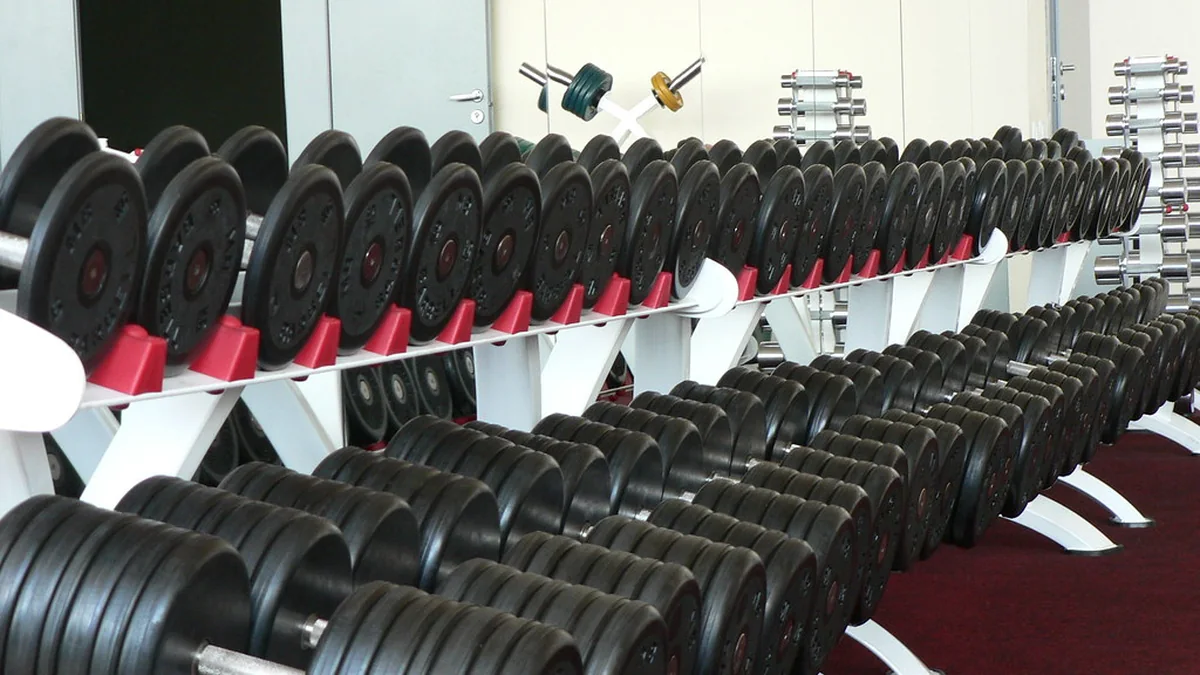
Strength training feels less intimidating when beginners focus on simple movements, consistency, form, recovery, and gradual progress.
This Mind of Griff guide is built around beginner strength habits in a practical way: useful enough for search, but written for a real person trying to make a normal day, weekend, home, routine, or decision work better.
For practical lifestyle decisions, reliable outside guidance can keep advice grounded. Helpful starting points include CDC physical activity basics and HHS Move Your Way.
Start Smaller Than Your Ego Wants
Start Smaller Than Your Ego Wants helps turn beginner strength habits into something repeatable. The advice around start smaller than your ego wants has to work on an ordinary day, not just on a clean-calendar day when everything goes right.
Keep start smaller than your ego wants simple enough to test. If it lowers stress, saves money, reduces decisions, protects time, or makes the next step clearer, it is worth keeping.
Learn the Basic Movement Patterns
Learn the Basic Movement Patterns helps turn beginner strength habits into something repeatable. The advice around learn the basic movement patterns has to work on an ordinary day, not just on a clean-calendar day when everything goes right.
Keep learn the basic movement patterns simple enough to test. If it lowers stress, saves money, reduces decisions, protects time, or makes the next step clearer, it is worth keeping.
A detail that makes this easier
The small detail with learn the basic movement patterns is follow-through. Write down the one thing you will check, pack, clean, ask, or avoid before the day starts. That tiny note keeps beginner strength habits from becoming another vague good intention.
Use Form as the First Goal
Use Form as the First Goal helps turn beginner strength habits into something repeatable. The advice around use form as the first goal has to work on an ordinary day, not just on a clean-calendar day when everything goes right.
Keep use form as the first goal simple enough to test. If it lowers stress, saves money, reduces decisions, protects time, or makes the next step clearer, it is worth keeping.
Make Recovery Part of Training
Make Recovery Part of Training helps turn beginner strength habits into something repeatable. The advice around make recovery part of training has to work on an ordinary day, not just on a clean-calendar day when everything goes right.
Keep make recovery part of training simple enough to test. If it lowers stress, saves money, reduces decisions, protects time, or makes the next step clearer, it is worth keeping.
Track Reps Without Obsessing
Track Reps Without Obsessing helps turn beginner strength habits into something repeatable. The advice around track reps without obsessing has to work on an ordinary day, not just on a clean-calendar day when everything goes right.
Keep track reps without obsessing simple enough to test. If it lowers stress, saves money, reduces decisions, protects time, or makes the next step clearer, it is worth keeping.
A detail that makes this easier
The small detail with track reps without obsessing is follow-through. Write down the one thing you will check, pack, clean, ask, or avoid before the day starts. That tiny note keeps beginner strength habits from becoming another vague good intention.
Do Not Chase Soreness
Do Not Chase Soreness helps turn beginner strength habits into something repeatable. The advice around do not chase soreness has to work on an ordinary day, not just on a clean-calendar day when everything goes right.
Keep do not chase soreness simple enough to test. If it lowers stress, saves money, reduces decisions, protects time, or makes the next step clearer, it is worth keeping.
Build a Two-Day Starter Routine
Build a Two-Day Starter Routine helps turn beginner strength habits into something repeatable. The advice around build a two-day starter routine has to work on an ordinary day, not just on a clean-calendar day when everything goes right.
Keep build a two-day starter routine simple enough to test. If it lowers stress, saves money, reduces decisions, protects time, or makes the next step clearer, it is worth keeping.
When to Ask for Coaching
When to Ask for Coaching helps turn beginner strength habits into something repeatable. The advice around when to ask for coaching has to work on an ordinary day, not just on a clean-calendar day when everything goes right.
Keep when to ask for coaching simple enough to test. If it lowers stress, saves money, reduces decisions, protects time, or makes the next step clearer, it is worth keeping.
How to Make Beginner Strength Habits Work in Real Life
The practical test for beginner strength habits is whether the idea still works when the day is ordinary. That means imperfect timing, limited money, changing weather, tired people, pets, kids, errands, traffic, chores, and all the small details that never show up in a perfect plan.
Use this guide as a filter, not a script. Keep the pieces that make beginner strength habits easier, skip the parts that add pressure, and write down one detail you want to remember next time. That is how a useful article turns into a better decision.
What to Avoid
The easiest way to make beginner strength habits harder is to overbuild the plan. Too many stops, too many products, too many rules, too many tools, or too many expectations can turn a useful idea into one more thing to manage.
Keep the first version of beginner strength habits focused on the part that actually changes the day. Once that part is working, you can add detail without losing the practical point.
How to Know the Advice Is Working
You know beginner strength habits is working when the next attempt feels less confusing than the last one. It may show up as a calmer morning, a better walk, a cleaner corner, a smarter purchase, a smoother outing, or a decision that no longer feels like it owns the whole day.
For Beginner Strength Habits That Make Fitness Feel, the useful next step is simple: choose one idea that fits your time, budget, and energy, then try it before adding more. Specific action beats a perfect plan that never leaves the notes app.
Quick Takeaways
- Start with the real reason beginner strength habits matters.
- Check current details before making plans or spending money.
- Choose one useful next step instead of trying to fix everything.
- Keep safety, timing, budget, and real-life energy in the decision.
- Save what worked so the next attempt is easier.
Related Reading on Mind of Griff
- Closet Basics That Actually Earn Their Space
- Red Flags Before Hiring Someone to Work on Your House
- Backyard Agriculture Ideas for People With Small Yards
Bottom Line
The best answer for beginner strength habits is the one that fits the situation in front of you. Keep it practical, check the details that can change, and do not let a simple decision become a whole production.
The best version of Beginner Strength Habits That Make Fitness Feel is practical, not overbuilt. Keep the plan small enough to finish, specific enough to remember, and flexible enough that a normal busy day does not ruin it.