Good beginner DIY projects teach measuring, patching, painting, organizing, fastening, and basic troubleshooting without risking plumbing, wiring, or structural damage.
This Mind of Griff guide is built around beginner DIY home projects in a practical way: useful enough for search, but written for a real person trying to make a normal day, weekend, home, routine, or decision work better.
For Beginner DIY Projects That Teach Useful Home, outside references are most useful as guardrails, not homework. For home projects, safety and documentation matter as much as the finished result. Helpful starting points include EPA lead-safe renovation guidance and FTC home improvement scam advice.
Start With Low-Risk Projects
Start With Low-Risk Projects keeps beginner DIY home projects from turning into wasted money or a bigger repair. For start with low-risk projects, start small: notice the problem, define the scope, gather the right supplies, and avoid work that belongs to a licensed professional.
Use start with low-risk projects as a reality check. If the task affects wiring, plumbing, structure, permits, lead paint, major water damage, or safety, slow down before you touch it. A careful pause can save a lot more than a confident guess.
Learn to Measure and Mark Cleanly
Learn to Measure and Mark Cleanly keeps beginner DIY home projects from turning into wasted money or a bigger repair. For learn to measure and mark cleanly, start small: notice the problem, define the scope, gather the right supplies, and avoid work that belongs to a licensed professional.
Use learn to measure and mark cleanly as a reality check. If the task affects wiring, plumbing, structure, permits, lead paint, major water damage, or safety, slow down before you touch it. A careful pause can save a lot more than a confident guess.
A detail that makes this easier
The small detail with learn to measure and mark cleanly is follow-through. Write down the one thing you will check, pack, clean, ask, or avoid before the day starts. That tiny note keeps beginner DIY home projects from becoming another vague good intention.
Patch Small Holes the Right Way
Patch Small Holes the Right Way keeps beginner DIY home projects from turning into wasted money or a bigger repair. For patch small holes the right way, start small: notice the problem, define the scope, gather the right supplies, and avoid work that belongs to a licensed professional.
Use patch small holes the right way as a reality check. If the task affects wiring, plumbing, structure, permits, lead paint, major water damage, or safety, slow down before you touch it. A careful pause can save a lot more than a confident guess.
Paint a Small Area Before a Whole Room
Paint a Small Area Before a Whole Room keeps beginner DIY home projects from turning into wasted money or a bigger repair. For paint a small area before a whole room, start small: notice the problem, define the scope, gather the right supplies, and avoid work that belongs to a licensed professional.
Use paint a small area before a whole room as a reality check. If the task affects wiring, plumbing, structure, permits, lead paint, major water damage, or safety, slow down before you touch it. A careful pause can save a lot more than a confident guess.
Install Simple Storage
Install Simple Storage keeps beginner DIY home projects from turning into wasted money or a bigger repair. For install simple storage, start small: notice the problem, define the scope, gather the right supplies, and avoid work that belongs to a licensed professional.
Use install simple storage as a reality check. If the task affects wiring, plumbing, structure, permits, lead paint, major water damage, or safety, slow down before you touch it. A careful pause can save a lot more than a confident guess.
A detail that makes this easier
The small detail with install simple storage is follow-through. Write down the one thing you will check, pack, clean, ask, or avoid before the day starts. That tiny note keeps beginner DIY home projects from becoming another vague good intention.
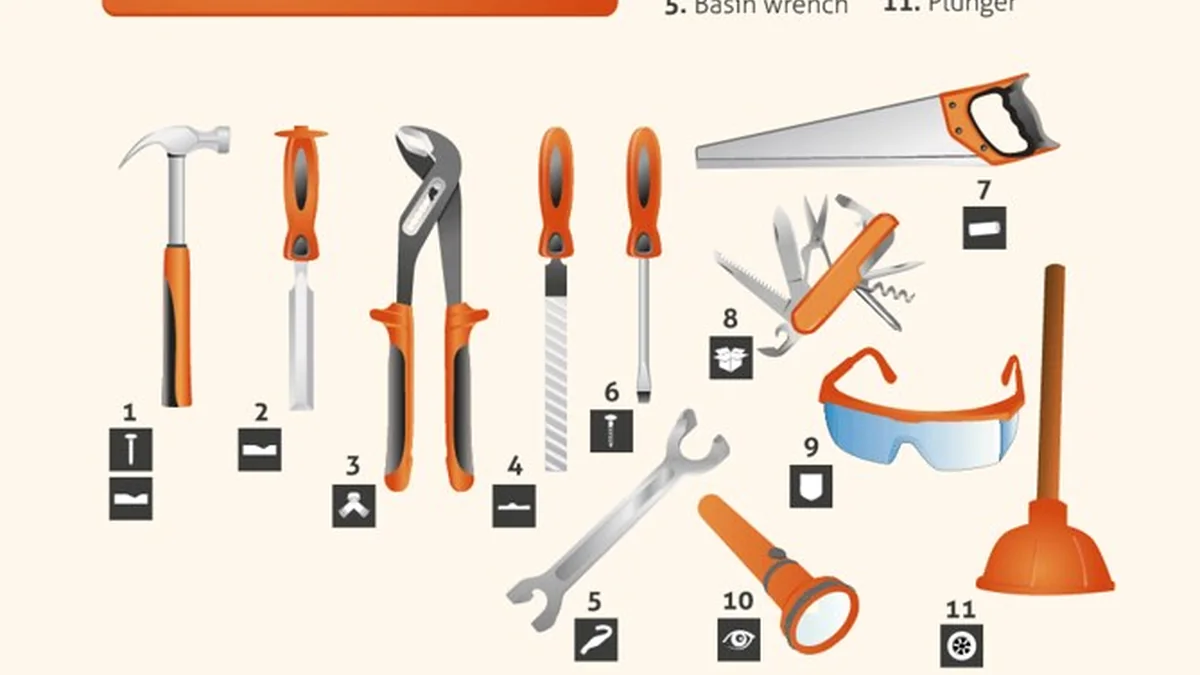
Build a Basic Tool Kit Slowly
Build a Basic Tool Kit Slowly keeps beginner DIY home projects from turning into wasted money or a bigger repair. For build a basic tool kit slowly, start small: notice the problem, define the scope, gather the right supplies, and avoid work that belongs to a licensed professional.
Use build a basic tool kit slowly as a reality check. If the task affects wiring, plumbing, structure, permits, lead paint, major water damage, or safety, slow down before you touch it. A careful pause can save a lot more than a confident guess.
Know What Not to DIY
Know What Not to DIY keeps beginner DIY home projects from turning into wasted money or a bigger repair. For know what not to diy, start small: notice the problem, define the scope, gather the right supplies, and avoid work that belongs to a licensed professional.
Use know what not to diy as a reality check. If the task affects wiring, plumbing, structure, permits, lead paint, major water damage, or safety, slow down before you touch it. A careful pause can save a lot more than a confident guess.
A First Month DIY Plan
A First Month DIY Plan keeps beginner DIY home projects from turning into wasted money or a bigger repair. For a first month diy plan, start small: notice the problem, define the scope, gather the right supplies, and avoid work that belongs to a licensed professional.
Use a first month diy plan as a reality check. If the task affects wiring, plumbing, structure, permits, lead paint, major water damage, or safety, slow down before you touch it. A careful pause can save a lot more than a confident guess.
How to Make Beginner Diy Home Projects Work in Real Life
The practical test for beginner DIY home projects is whether the idea still works when the day is ordinary. That means imperfect timing, limited money, changing weather, tired people, pets, kids, errands, traffic, chores, and all the small details that never show up in a perfect plan.
Use this guide as a filter, not a script. Keep the pieces that make beginner DIY home projects easier, skip the parts that add pressure, and write down one detail you want to remember next time. That is how a useful article turns into a better decision.
What to Avoid
The easiest way to make beginner DIY home projects harder is to overbuild the plan. Too many stops, too many products, too many rules, too many tools, or too many expectations can turn a useful idea into one more thing to manage.
Keep the first version of beginner DIY home projects focused on the part that actually changes the day. Once that part is working, you can add detail without losing the practical point.
How to Know the Advice Is Working
You know beginner DIY home projects is working when the next attempt feels less confusing than the last one. It may show up as a calmer morning, a better walk, a cleaner corner, a smarter purchase, a smoother outing, or a decision that no longer feels like it owns the whole day.
The best version of Beginner DIY Projects That Teach Useful Home is practical, not overbuilt. Keep the plan small enough to finish, specific enough to remember, and flexible enough that a normal busy day does not ruin it.
Quick Takeaways
- Start with the real reason beginner DIY home projects matters.
- Check current details before making plans or spending money.
- Choose one useful next step instead of trying to fix everything.
- Keep safety, timing, budget, and real-life energy in the decision.
- Save what worked so the next attempt is easier.
Related Reading on Mind of Griff
- Hidden Places in Beaufort, SC That Still Feel Local
- Best Local Food Spots in Knoxville, TN When You’re Tired of Chains
- Local History Spots in St. Augustine, FL People Walk Past Too Fast
Bottom Line
The best answer for beginner DIY home projects is the one that fits the situation in front of you. Keep it practical, check the details that can change, and do not let a simple decision become a whole production.
Use Beginner DIY Projects That Teach Useful Home as a filter, not a script. The right answer should fit the people, place, weather, money, pets, kids, or schedule involved instead of pretending every reader lives the same day.